


How to Perform Hajj
home > How to Perform Hajj
- A complete, step-by-step Hajj guide for pilgrims
How to Perform Hajj: A Step-by-Step Guide
Hajj is one of the five pillars of Islam and a sacred pilgrimage to Makkah that every financially and physically able Muslim must perform at least once in their lifetime. It takes place during the month of Dhul Hijjah and brings Muslims from around the world together in worship, humility and devotion to Allah.
This step-by-step Hajj guide explains the main rites of Hajj in a clear and simple way, from entering Ihram to completing the farewell Tawaf. Labbaik Tours & Travels (Pvt.) Ltd is here to help pilgrims prepare for this once-in-a-lifetime spiritual journey with confidence and care.
Quick Overview
The Main Steps of Hajj
- Enter the state of Ihram and make your intention for Hajj.
- Travel to Mina on the 8th of Dhul Hijjah.
- Stand in worship at Arafat on the 9th of Dhul Hijjah.
- Spend the night at Muzdalifah and collect pebbles.
- Stone Jamrat Al-Aqabah in Mina.
- Arrange the sacrifice and trim or shave your hair.
- Perform Tawaf Al-Ifadah and, where required, Sa’i.
- Return to Mina and stone the three Jamarat.
- Complete Tawaf Al-Wada before leaving Makkah.
Before You Begin Hajj
- Make sincere tawbah (repentance) and set a sincere intention for Allah alone.
- Learn the core Hajj rituals, duas and restrictions of Ihram before departure.
- Attend any pre-departure orientation arranged by Labbaik Tours & Travels.
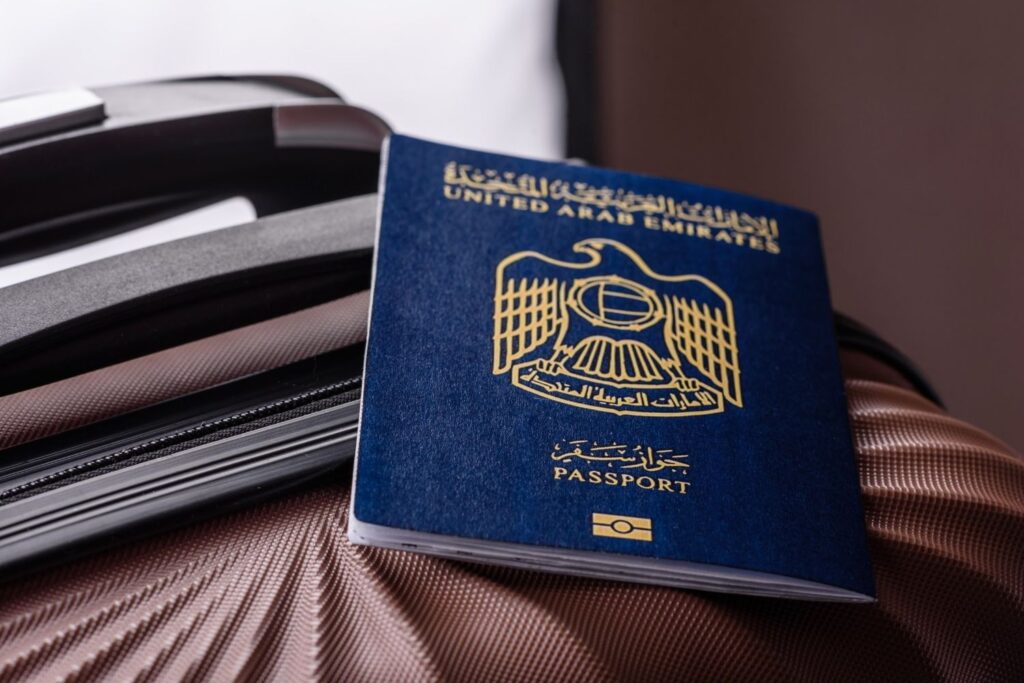
- Keep your passport, visa, hotel details, group contact information and prescribed medication accessible.
- Pack comfortable footwear, a refillable water bottle, a small bag and weather-appropriate essentials.
- Stay connected with your group leader, especially during travel between Makkah, Mina, Arafat and Muzdalifah.
Step-by-Step Hajj Rituals
Before crossing the Miqat boundary, pilgrims enter the sacred state of Ihram. Men wear two plain, unstitched white cloths. Women wear modest Islamic clothing that meets the requirements of hijab. Make your intention for Hajj and begin reciting the Talbiyah: “Labbayk Allahumma Labbayk...” From this point, observe the restrictions of Ihram and focus on worship.
On the 8th of Dhul Hijjah, pilgrims travel to Mina. This day is spent in prayer, Quran recitation, dhikr and rest. Mina prepares the pilgrim spiritually and physically for the Day of Arafat, the most important day of the Hajj pilgrimage.
Pilgrims travel to the plain of Arafat and spend the day in dua, repentance, remembrance of Allah and sincere reflection. Standing at Arafat is the central rite of Hajj. Use this precious time to ask Allah for forgiveness, make dua for loved ones and seek an accepted Hajj.
After sunset, pilgrims leave Arafat for Muzdalifah. Here, they pray, rest and collect small pebbles for the stoning ritual in Mina. Your group leader will guide you on the safest arrangements and the practical steps for this part of the journey.
On the 10th of Dhul Hijjah, pilgrims return to Mina and throw seven pebbles at the largest pillar, Jamrat Al-Aqabah. With each pebble, pilgrims say “Allahu Akbar.” This ritual symbolises rejecting Shaytan and renewing your commitment to obey Allah.
After the stoning ritual, the sacrifice (Hady) is arranged through the appropriate Hajj arrangements. Men then shave their heads or trim their hair, with shaving preferred. Women trim a small amount from the ends of their hair. After this, many restrictions of Ihram are lifted.
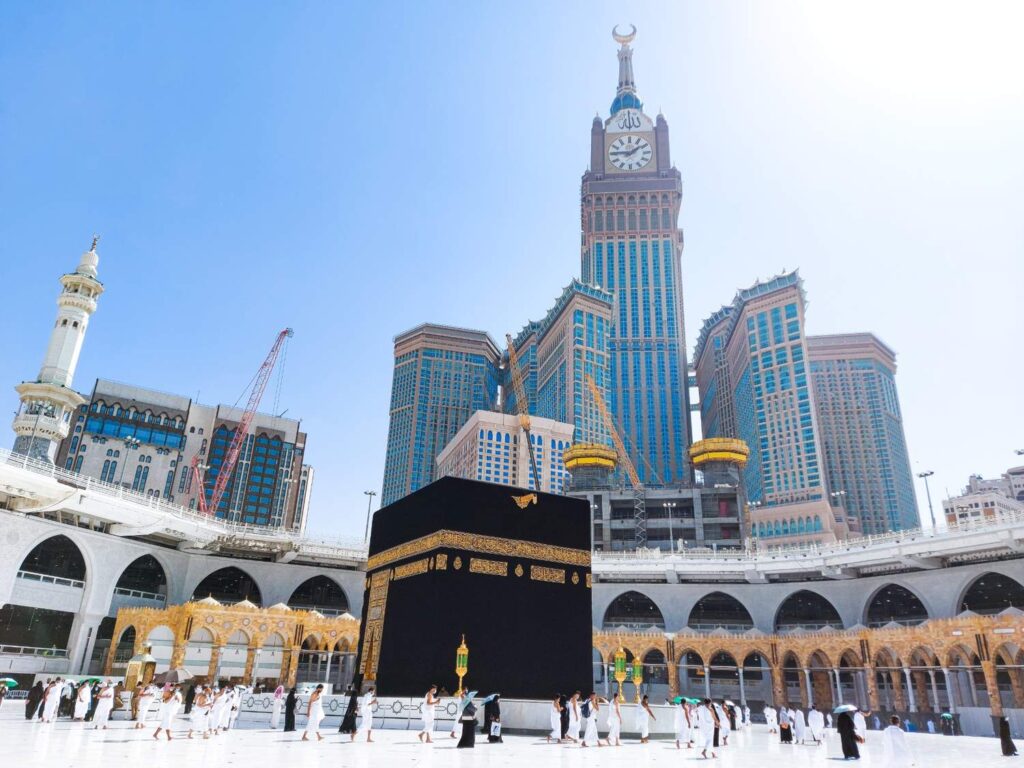
Pilgrims return to Masjid Al-Haram in Makkah to perform Tawaf Al-Ifadah, circling the Kaaba seven times in an anti-clockwise direction. This Tawaf is an essential Hajj ritual. Follow your group guide regarding timing, crowd management and the prayers that may be performed afterwards.
Where required for your type of Hajj, pilgrims complete Sa’i by walking seven times between Safa and Marwah. Sa’i honours the patience and trust in Allah shown by Hajar (AS) as she searched for water for her son Ismail (AS).
On the 11th and 12th of Dhul Hijjah, and for some pilgrims the 13th, pilgrims stone the small, middle and large Jamarat. Seven pebbles are thrown at each pillar. Remain patient, follow official crowd-management guidance and stay close to your group.
Before leaving Makkah, pilgrims generally perform Tawaf Al-Wada, the farewell Tawaf. This final act of worship is a moving opportunity to thank Allah for the journey and make dua for acceptance. Your group leader will advise you on the correct timing before departure.
- Hajj Duas
Essential Hajj Duas and Remembrances
There is no single fixed dua for every moment of Hajj. Speak to Allah sincerely in your own language, ask for forgiveness and make dua for your family, health, sustenance and the wider Ummah. The following phrases are commonly recited during the pilgrimage:
| Talbiyah | Labbayk Allahumma Labbayk, Labbayka La Shareeka Laka Labbayk. Innal Hamda Wan-Ni’mata Laka Wal-Mulk, La Shareeka Lak. |
| Takbeer | Allahu Akbar |
| Istighfar | Astaghfirullah |
Important Hajj Tips for Pilgrims
- Stay patient and calm, especially in crowded areas and during travel times.
- Keep yourself hydrated and rest whenever your group leader advises.
- Carry a copy of your ID, hotel name, room details and group contact number.
- Do not argue, use hurtful language or engage in unnecessary disputes during Hajj.
- Keep valuables secure and avoid carrying more than you need.
- Respect pilgrims from every background, nationality and language.
- Use official routes and follow the safety instructions provided by your group and local authorities.